Italy is one of the most captivating travel destinations in the world, attracting visitors with its historic cities, remarkable architecture, beautiful coastlines, world-famous cuisine, and unforgettable landscapes.
From the ancient streets of Rome to the romantic canals of Venice and the rolling hills of Tuscany, every part of the country offers a different experience.
Whether you are planning a cultural getaway, a romantic vacation, a family holiday, or a journey through some of Europe’s most beautiful landscapes, Italy has something to suit every travel style and budget.
But where should you go first? Which attractions deserve a place on your itinerary? And how much does a trip to Italy really cost?
This travel guide explores the best cities to visit in Italy, the most famous tourist attractions, estimated travel expenses, and practical tips to help you plan an enjoyable Italian adventure.
Why Visit Italy?
Italy combines thousands of years of history with a lively modern lifestyle. Ancient Roman monuments stand alongside fashionable shopping streets, Renaissance masterpieces fill world-famous museums, and traditional villages preserve a slower way of life.
The country’s appeal extends far beyond its historical landmarks. Visitors can enjoy Mediterranean beaches, Alpine mountains, peaceful lakes, vineyard-covered hills, and picturesque coastal towns.
Italian food is another major reason to visit. Each region has its own culinary traditions, from fresh pasta and pizza in Naples to risotto in Milan, seafood along the coast, and traditional dishes in Bologna and Tuscany.
Italy is also an excellent destination for travelers who enjoy exploring several places in one trip. Its major cities are connected by an extensive railway network, making it possible to combine history, art, food, and natural scenery in a single itinerary.
The Best Cities to Visit in Italy
1. Rome: The Eternal City
Rome is one of the best cities to visit in Italy, particularly for travelers interested in history, architecture, and culture. As the country’s capital, it brings together ancient ruins, magnificent churches, lively piazzas, and modern neighborhoods.
The city feels like an open-air museum, with historical landmarks appearing around many corners.
Top attractions in Rome:
-
The Colosseum: One of the most recognizable monuments of ancient Rome, famous for its connection to gladiatorial contests and Roman public life.
-
The Roman Forum: The remains of an important center of political, religious, and commercial activity in ancient Rome.
-
Trevi Fountain: A spectacular Baroque fountain that has become one of the city’s most photographed landmarks.
-
The Pantheon: An extraordinary ancient building known for its monumental dome and central opening.
-
Vatican City: An independent city-state within Rome, home to St. Peter’s Basilica, St. Peter’s Square, and the Vatican Museums.
-
Piazza Navona: A beautiful square surrounded by historic architecture, fountains, cafés, and restaurants.
Rome is also an excellent place to experience Italian food. Visitors can try classic pasta dishes, Roman-style pizza, espresso, and traditional gelato while exploring its historic neighborhoods.
Allow at least three days to see the main attractions without rushing. If you enjoy museums and historical sites, four or five days will provide a more comfortable experience.
2. Venice: The City of Canals
Venice is among the most distinctive cities in Europe. Built across a network of islands connected by bridges, it is famous for its canals, historic palaces, elegant squares, and romantic atmosphere.
Instead of ordinary streets, much of Venice’s historic center is shaped by waterways and narrow pedestrian lanes.
Top attractions in Venice:
-
St. Mark’s Square: The city’s best-known public square, surrounded by impressive historic buildings.
-
St. Mark’s Basilica: A remarkable church recognized for its elaborate decoration and distinctive architecture.
-
Doge’s Palace: A historic palace that reflects the former power and wealth of the Venetian Republic.
-
Grand Canal: Venice’s principal waterway, lined with historic buildings and crossed by famous bridges.
-
Rialto Bridge: One of the city’s most recognizable bridges, close to markets, shops, and restaurants.
-
Burano Island: A colorful island known for its painted houses and traditional lace-making heritage.
A gondola ride can be a memorable way to experience Venice, although exploring on foot is equally rewarding. Wandering through quieter streets often reveals small squares, local cafés, and beautiful canal views away from the busiest areas.
Two days are usually enough for the main highlights, while three days allow more time for nearby islands and less crowded neighborhoods.
3. Florence: The Heart of Renaissance Art
Florence is a must-visit destination for art lovers and travelers interested in Italian history. Located in Tuscany, the city played a major role in the Renaissance and remains famous for its museums, churches, architecture, and artistic heritage.
Its historic center is compact enough to explore on foot, making it an enjoyable destination for a short cultural break.
Top attractions in Florence:
-
Florence Cathedral: Known for its enormous dome, designed by Filippo Brunelleschi, and its impressive Gothic architecture.
-
Uffizi Gallery: A world-famous art museum featuring important works from the Renaissance.
-
Ponte Vecchio: A historic bridge lined with shops and offering beautiful views over the Arno River.
-
Accademia Gallery: Home to Michelangelo’s celebrated sculpture of David.
-
Piazzale Michelangelo: A popular viewpoint offering panoramic views across Florence.
-
Palazzo Vecchio: A historic palace overlooking Piazza della Signoria.
Florence is also an excellent base for exploring Tuscany. Visitors can take day trips to vineyards, medieval towns, and scenic countryside landscapes.
Plan two or three days for Florence itself, especially if you want to visit its major museums. Reserve popular museum tickets in advance when possible.
4. Milan: Fashion, Design, and Modern Italy
Milan offers a different perspective on Italy, combining historic architecture with contemporary culture, high-end shopping, and a thriving business scene.
It is internationally known for fashion and design, but the city also has impressive artistic landmarks and a rich cultural history.
Top attractions in Milan:
-
Milan Cathedral: An enormous Gothic cathedral famous for its detailed façade and rooftop terraces.
-
Galleria Vittorio Emanuele II: An elegant shopping arcade featuring historic architecture, cafés, and luxury stores.
-
Sforza Castle: A historic fortress housing museums and art collections.
-
Santa Maria delle Grazie: The church and convent associated with Leonardo da Vinci’s famous painting The Last Supper.
-
Brera District: A charming neighborhood known for art, restaurants, and stylish streets.
Milan is particularly attractive to travelers interested in shopping, architecture, museums, and nightlife. It also serves as a useful starting point for trips to Lake Como and other northern Italian destinations.
Two days are enough to explore the main attractions, while an additional day can be used for a nearby excursion.
5. Naples: Pizza, History, and Southern Italian Culture
Naples is one of Italy’s most characterful cities, known for its lively streets, historic center, traditional food, and dramatic setting near Mount Vesuvius.
The city is often considered the birthplace of modern Neapolitan pizza, making it a particularly rewarding destination for food lovers.
Top attractions in Naples:
-
Naples Historic Center: A network of narrow streets filled with churches, traditional shops, and historic buildings.
-
National Archaeological Museum: A major museum containing important artifacts from the ancient world, including finds from Pompeii.
-
Castel dell’Ovo: A historic waterfront castle overlooking the Bay of Naples.
-
Spaccanapoli: A famous street route running through the heart of the historic center.
-
Lungomare: A scenic waterfront promenade with views across the bay.
Naples is also an ideal base for visiting Pompeii, the ancient Roman city preserved by the eruption of Mount Vesuvius, and for traveling toward the Amalfi Coast.
Allow two or three days to explore Naples and consider additional time for nearby archaeological sites and coastal destinations.
6. Bologna: Italy’s Food Capital
Bologna is an excellent choice for travelers who want to experience Italian cuisine, historic architecture, and a welcoming university-city atmosphere.
Its old town is famous for long covered porticoes, medieval towers, lively squares, and traditional restaurants.
Top attractions in Bologna:
-
Piazza Maggiore: The city’s central square, surrounded by important historic buildings.
-
Basilica of San Petronio: A monumental church overlooking the main square.
-
Two Towers: The city’s best-known medieval towers and a distinctive part of its skyline.
-
Archiginnasio of Bologna: A historic university building reflecting the city’s academic heritage.
-
Quadrilatero Market District: A lively area filled with food shops, cafés, and traditional local products.
Bologna is particularly famous for fresh pasta and regional specialties. It is a wonderful place to enjoy a long lunch, sample local dishes, and explore the city’s food markets.
One or two days are generally enough for the main attractions, although food enthusiasts may want to stay longer.
7. Pisa: Home of the Leaning Tower
Pisa is best known for its iconic Leaning Tower, but the city offers more than a famous photograph.
The main attractions are concentrated around Piazza dei Miracoli, a beautiful historic complex that includes several important religious and architectural landmarks.
Top attractions in Pisa:
-
Leaning Tower of Pisa: The world-famous bell tower known for its distinctive tilt.
-
Pisa Cathedral: An impressive Romanesque cathedral located beside the tower.
-
Baptistery of St. John: A monumental religious building recognized for its architecture and acoustics.
-
Piazza dei Cavalieri: A historic square surrounded by elegant buildings.
-
Arno River: A pleasant area for walking and discovering another side of the city.
Pisa can be explored as a day trip from Florence, making it a convenient addition to a Tuscany itinerary.
8. Verona: Romance and Roman Heritage
Verona is a beautiful historic city in northern Italy, famous for its Roman architecture, medieval streets, and association with Shakespeare’s Romeo and Juliet.
Its compact historic center makes it an enjoyable destination for couples and travelers who prefer a relaxed city break.
Top attractions in Verona:
-
Verona Arena: A remarkably preserved Roman amphitheater that hosts performances and concerts.
-
Piazza delle Erbe: A historic square lined with colorful buildings and cafés.
-
Juliet’s House: A popular attraction associated with the famous Shakespearean story.
-
Castelvecchio: A medieval castle housing an art museum.
-
Ponte Pietra: A historic bridge offering attractive views of the city and river.
Verona is also well placed for exploring Lake Garda and other destinations in northern Italy.
One or two days are enough for the main highlights.
The Most Beautiful Tourist Attractions in Italy
Beyond the country’s major cities, Italy has extraordinary landscapes and historic destinations that deserve a place on your travel itinerary.
1. The Amalfi Coast: Spectacular Mediterranean Scenery
The Amalfi Coast is one of Italy’s most celebrated coastal destinations, known for steep cliffs, colorful villages, winding roads, and deep-blue sea views.
Positano, Amalfi, and Ravello are among the best-known places in the region. Their narrow streets, terraces, gardens, and panoramic viewpoints create an unforgettable Mediterranean atmosphere.
Visitors can spend their days exploring coastal towns, enjoying local seafood, taking boat trips, or relaxing by the water.
The region is particularly popular during the warmer months, but summer can bring heavy crowds and high accommodation prices. Spring and early autumn can offer a more comfortable balance between weather and visitor numbers.
2. Lake Como: Elegant Villages and Mountain Views
Lake Como is a beautiful destination in northern Italy, surrounded by mountains, historic villas, gardens, and charming lakeside towns.
Bellagio, Varenna, and Menaggio are popular places to explore, with waterfront promenades, narrow streets, cafés, and scenic ferry connections.
Travelers can enjoy boat trips, visit historic gardens, take photographs of the lake, or simply relax while admiring the landscape.
Lake Como is particularly appealing to couples and travelers seeking a peaceful escape from busy cities.
3. Cinque Terre: Colorful Villages by the Sea
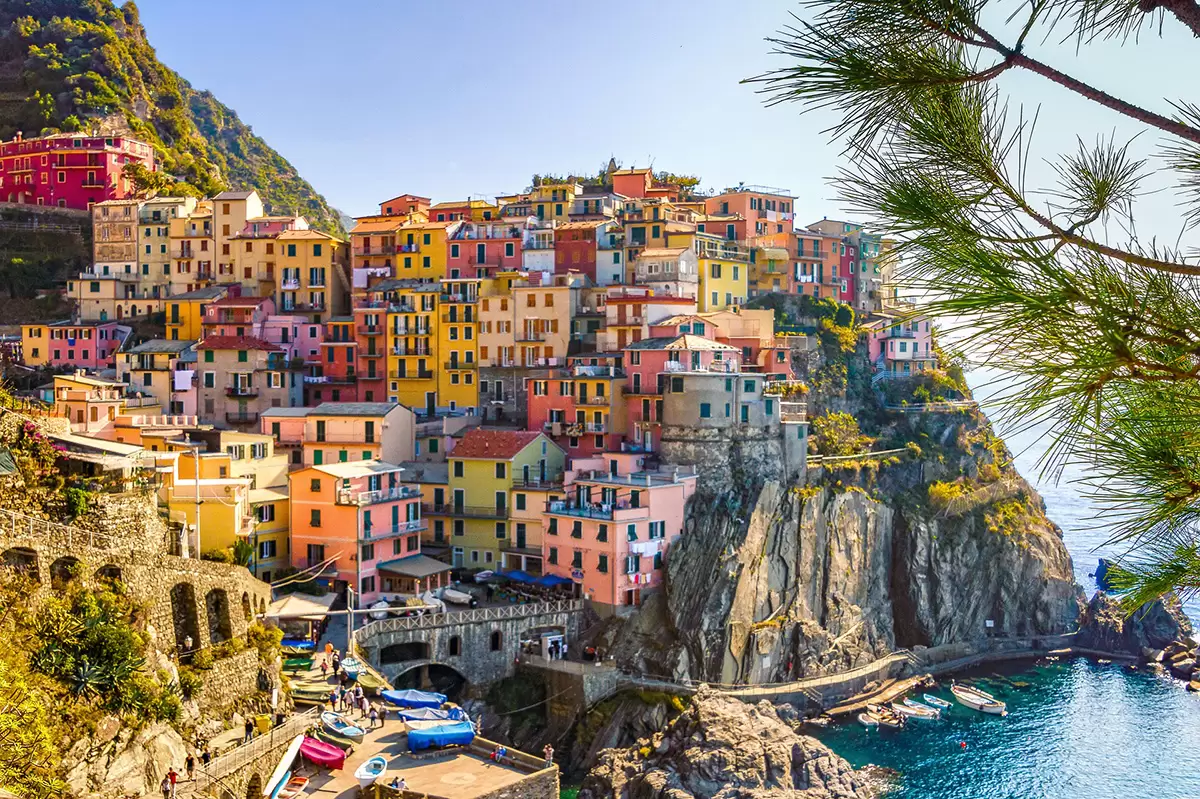
Cinque Terre is a collection of five historic coastal villages in Liguria, famous for their colorful buildings, terraced hillsides, walking paths, and spectacular sea views.
The villages of Monterosso al Mare, Vernazza, Corniglia, Manarola, and Riomaggiore each have their own character.
Visitors can travel between the villages by train, explore the harbor areas, enjoy regional seafood, and walk along designated trails when conditions permit.
Because the area is compact and popular, planning transport and checking trail conditions in advance can make a significant difference to the experience.
4. The Dolomites: A Paradise for Nature Lovers
The Dolomites are among Italy’s most impressive mountain landscapes. Their dramatic peaks, alpine meadows, mountain lakes, and traditional villages attract hikers, photographers, and outdoor enthusiasts.
During summer, visitors can enjoy hiking, cycling, and scenic cable-car journeys. In winter, the region becomes a major destination for skiing and snow sports.
Popular areas include Val Gardena, Cortina d’Ampezzo, and the surroundings of Lago di Braies.
The best time to visit depends on your plans. Summer is ideal for many hiking routes, while winter appeals to travelers seeking snow-covered scenery and ski resorts.
5. Tuscany: Rolling Hills, Vineyards, and Medieval Towns
Tuscany offers a classic Italian countryside experience, with rolling hills, vineyards, olive groves, historic farmhouses, and medieval towns.
The region’s capital, Florence, is an excellent starting point, but some of Tuscany’s greatest pleasures lie outside the city.
Travelers can explore Siena, San Gimignano, Lucca, and the Val d’Orcia countryside. The region is also known for its food traditions, local markets, and wine-producing areas.
Renting a car can make it easier to explore rural villages, although trains and buses connect several of the larger towns.
6. Pompeii: Discover an Ancient Roman City
Pompeii is one of Italy’s most fascinating archaeological destinations. The ancient city was buried during the eruption of Mount Vesuvius in AD 79, preserving streets, buildings, and evidence of everyday Roman life.
Visitors can walk through ancient streets, see the remains of homes and public spaces, and explore the archaeological site’s remarkable historical atmosphere.
Because the site is extensive and can become hot during summer, comfortable shoes, water, and sufficient time are essential.
Pompeii is easily combined with a stay in Naples or a wider trip through southern Italy.
How Much Does a Trip to Italy Cost?
The cost of visiting Italy depends on your travel style, the cities you choose, the season, your accommodation, and how far in advance you book.
Rome, Venice, Milan, and popular coastal areas can be expensive, particularly during peak tourist periods. Smaller towns and less crowded regions may offer better value.
The following figures are indicative planning estimates in euros per person, rather than fixed prices. They cover typical daily expenses while in Italy and exclude international flights.
Estimated Daily Travel Costs
Budget travel: €60–€100 per person per day
This option may suit travelers staying in hostels or simple accommodation, eating at casual restaurants and bakeries, using public transportation, and prioritizing free attractions.
Costs can be lower when sharing accommodation or visiting less expensive destinations, but finding a private room within this budget may be difficult in popular cities.
Mid-range travel: €120–€220 per person per day
A mid-range budget can cover a comfortable hotel or private room, a combination of casual meals and restaurant dining, public transport, selected museum tickets, and occasional paid experiences.
This is a useful starting point for many travelers who want comfort without choosing luxury accommodation.
Luxury travel: €300 or more per person per day
Luxury travel may include high-end hotels, private transfers, fine dining, guided tours, premium experiences, and more flexible transport arrangements.
In destinations such as Venice, the Amalfi Coast, and Lake Como, luxury accommodation and private experiences can push costs considerably higher.
Typical Prices for Common Travel Expenses
| Expense | Indicative cost |
|---|---|
| Hostel bed per night | €25–€60 |
| Budget hotel room per night | €60–€120 |
| Mid-range hotel room per night | €120–€250 |
| Casual meal | €10–€20 |
| Restaurant meal | €20–€45 |
| Coffee at a café | €1.50–€4 |
| Gelato | €3–€6 |
| Local public transport journey | €1.50–€3 |
| Museum or attraction ticket | €10–€30 or more |
These figures are broad estimates for planning purposes. Actual prices vary by location, date, accommodation standard, ticket type, and availability. Hotel prices are per room, while most other figures are per person.
How Much Does a 7-Day Trip to Italy Cost?
For a one-week visit, the following estimates can help you build a preliminary budget.
-
Budget traveler: Approximately €420–€700 per person.
-
Mid-range traveler: Approximately €840–€1,540 per person.
-
Luxury traveler: Approximately €2,100 or more per person.
These estimates cover seven days of typical on-the-ground expenses. They exclude international flights and may not include every intercity train journey, major attraction, shopping expense, or special activity.
For two people sharing a hotel room, the accommodation cost per person may be lower than for a solo traveler. On the other hand, visiting several expensive cities or traveling during major holidays can increase the total significantly.
How Much Does a 10-Day Trip to Italy Cost?
For a 10-day vacation, estimated on-the-ground expenses may be:
-
Budget traveler: €600–€1,000 per person.
-
Mid-range traveler: €1,200–€2,200 per person.
-
Luxury traveler: €3,000 or more per person.
To estimate your complete trip budget, add international airfare, travel insurance, visa-related expenses if applicable, intercity transport not already included, and a reserve for unexpected costs.
How Much Do Flights to Italy Cost?
International airfare depends on your departure country, destination airport, airline, baggage allowance, travel dates, and booking time.
Flights to Rome and Milan often provide convenient entry points for travelers exploring several regions, while other airports may be more suitable for specific itineraries.
Compare the total cost of tickets rather than the advertised base fare alone. Baggage, airport transfers, and inconvenient arrival times can affect the overall value.
Is Italy Expensive for Tourists?
Italy can be expensive, but a memorable trip does not require a luxury budget.
Travelers can reduce expenses by visiting outside the busiest periods, choosing accommodation near public transportation rather than directly beside major landmarks, eating at local restaurants, and booking popular attractions ahead of time.
Staying longer in fewer cities can also reduce transport costs and leave more time to enjoy each destination.
Best Time to Visit Italy
Italy is a year-round destination, but the ideal season depends on the places you want to visit and the experiences you prefer.
Spring: March to May
Spring is an excellent season for sightseeing in Rome, Florence, Venice, and many other historic cities.
Temperatures are often comfortable for walking, gardens become more colorful, and the countryside begins to turn green. However, Easter and other holiday periods can be busy, so booking ahead is recommended.
Spring is also a good time to explore Tuscany and parts of the Amalfi Coast before the busiest summer weeks.
Summer: June to August
Summer is popular for beach holidays, coastal towns, island trips, and outdoor dining.
Destinations such as the Amalfi Coast, Cinque Terre, Sicily, and Sardinia attract large numbers of visitors. Major cities can become hot, and popular attractions may have long queues.
Accommodation prices often rise during this period, so travelers on a budget may prefer smaller towns or an earlier or later travel window.
Autumn: September to November
Autumn can be a wonderful time to explore Italy. September and early October often provide pleasant conditions for sightseeing and coastal travel, although weather varies by region.
The countryside around Tuscany is especially attractive, while cities such as Rome and Florence can be more comfortable to explore as the summer heat eases.
Later in autumn, rainfall becomes more likely in some areas, and coastal facilities may operate on reduced schedules.
Winter: December to February
Winter is a good option for travelers interested in museums, historic cities, seasonal food, Christmas markets, and mountain sports.
Cities such as Rome, Florence, and Milan can be rewarding winter destinations, while the Dolomites attract visitors for skiing and snowy landscapes.
Winter can offer quieter conditions at some attractions, although Christmas, New Year, and major events can still bring crowds and higher prices.
How to Travel Between Italian Cities
Italy’s transportation network makes it possible to explore several regions without driving everywhere.
High-Speed Trains
High-speed trains connect major destinations such as Rome, Florence, Milan, Naples, and Venice.
They are often the most convenient option for traveling between large cities, particularly when stations are close to the places you want to visit.
Booking early can help you find lower fares on many services. Check your station carefully, as large cities may have multiple stations or different departure points.
Regional Trains and Buses
Regional trains are useful for shorter journeys and destinations not served by high-speed routes. Buses can be helpful in rural areas and some coastal regions.
However, services may be less frequent in small towns, particularly on weekends or outside the main tourist season. Check timetables before planning a tight schedule.
Renting a Car
A rental car can be useful for exploring Tuscany’s countryside, remote villages, mountain regions, and some coastal destinations.
Driving is less convenient in many historic city centers, where restricted traffic zones and limited parking can create difficulties.
Before renting, check local driving rules, insurance coverage, parking arrangements, and whether your accommodation is inside a restricted traffic area.
A Suggested 10-Day Italy Itinerary
If this is your first trip to Italy, a route combining history, art, food, and canals can provide a well-rounded introduction.
Days 1–3: Rome
Explore the Colosseum, Roman Forum, Trevi Fountain, the Pantheon, and Vatican City. Leave time to enjoy local restaurants and wander through the historic streets.
Days 4–5: Florence
Travel by train to Florence and visit the cathedral, Ponte Vecchio, and major art museums. Consider a countryside excursion if your schedule allows.
Days 6–7: Venice
Continue to Venice to explore St. Mark’s Square, the Grand Canal, Rialto Bridge, and the city’s quieter neighborhoods.
Days 8–9: Milan
Travel to Milan to see its cathedral, historic shopping arcade, and museums. You could also consider a day trip to Lake Como if transport schedules suit your plans.
Day 10: Departure
Depart from Milan or return to your preferred airport, allowing enough time for transfers and check-in.
This route is only a starting point. Travelers more interested in beaches can replace Milan with the Amalfi Coast or Sicily, while those who love food and countryside scenery may prefer additional time in Bologna or Tuscany.
Practical Tips for Planning Your Italy Vacation
Book Major Attractions in Advance
Popular landmarks, museums, and special experiences can sell out, particularly during spring and summer.
Reserve tickets for attractions with timed entry when possible, and check the official visiting information before you travel.
Choose Your Accommodation Carefully
Staying close to a railway station or a reliable public transportation route can save time and money.
In historic centers, consider whether your hotel has stairs, luggage access, air conditioning, or restrictions on vehicle access. These details can make a difference to your comfort.
Be Aware of Tourist Taxes and Extra Charges
Some Italian destinations charge accommodation taxes, and certain services may involve additional fees.
Check whether taxes are included in your room price, and review restaurant menus for any listed service or cover charges before ordering.
Learn a Few Basic Italian Phrases
English is spoken in many popular tourist areas, but a few Italian expressions can make everyday interactions easier.
Useful phrases include:
-
Buongiorno: Good morning.
-
Per favore: Please.
-
Grazie: Thank you.
-
Quanto costa?: How much does it cost?
-
Il conto, per favore: The bill, please.
Keep Your Belongings Secure
As in many popular tourist destinations, crowded transport hubs and busy sightseeing areas can attract pickpockets.
Keep valuables secure, be alert in crowded places, and use reputable transport and accommodation services.
Check Entry Requirements Before Traveling
Visa requirements depend on your nationality, residence, and travel circumstances. Check the official Italian or relevant European immigration guidance before booking non-refundable travel arrangements.
Travelers should also verify passport validity and any current entry requirements that apply to their situation.
Frequently Asked Questions About Tourism in Italy
What are the best cities to visit in Italy?
Rome, Venice, Florence, Milan, Naples, Bologna, Pisa, and Verona are among the most popular choices. Rome is excellent for ancient history, Florence for art, Venice for canals, Milan for fashion and design, and Naples for food and access to southern Italy.
How many days do you need to explore Italy?
Seven days can provide a good introduction to two or three destinations. Ten to fourteen days allow more time to explore several major cities and nearby attractions. A longer trip is ideal if you want to include islands, coastal towns, and rural regions without rushing.
What is the most beautiful place in Italy?
Beauty is subjective, but the Amalfi Coast, Venice, Lake Como, the Dolomites, Cinque Terre, and the Tuscan countryside are among Italy’s most celebrated destinations. The best choice depends on whether you prefer beaches, mountains, historic architecture, or peaceful landscapes.
How much money should I budget for a trip to Italy?
A preliminary budget of €60–€100 per person per day may work for budget travelers, while €120–€220 can provide a more comfortable mid-range experience. These estimates exclude international flights and depend heavily on accommodation, season, location, and activities.
Is Italy suitable for a family vacation?
Yes. Italy offers family-friendly beaches, museums, historic sites, parks, scenic train journeys, and interactive cultural experiences. Families may prefer fewer hotel changes and a relaxed itinerary with enough time for meals and rest.
What is the cheapest time to visit Italy?
The quieter months outside the main summer season can offer better value, particularly in late autumn and winter. However, prices vary by destination, and major holidays or events can increase demand. Comparing dates and booking accommodation early are useful ways to control costs.
Is it easy to travel around Italy without a car?
Yes. Major cities are well connected by trains, and local public transportation is useful in many urban areas. A car is more helpful when exploring remote countryside locations or villages with limited public transport.